

Burkina Faso Motorcycle Market is driven by low-cost mobility needs, despite severe infrastructure constraints and widespread poverty. Urbanization is creating long-term growth opportunities, with motorcycles remaining the most accessible form of personal transportation.
Burkina Faso Motorcycle Market: Trends and Perspectives
For Burkina Faso’s 24.6 million inhabitants, two-wheelers represent the primary form of individual mobility. However, the development of the motorcycle market remains heavily constrained by inadequate infrastructure, with only 27% of the country’s more than 15,000 kilometers of roads paved.
Affordability is another major challenge. Approximately 43.2% of the population lives below the national poverty line, equivalent to nearly 9.7 million people, limiting access to vehicle ownership even when entry-level motorcycles are priced below US$1,000.
Despite these constraints, long-term market fundamentals remain positive. Burkina Faso’s urbanization rate is estimated between 29% and 33%, while urban populations are growing at more than 4% annually. Economic migration and regional instability are accelerating the expansion of cities, creating a growing need for affordable personal transportation.
As urbanization progresses, demand for motorcycles is expected to increase, making the sector an important component of the country’s mobility development.
The market is dominated by fuel-efficient, durable, low-displacement motorcycles (100cc–150cc) designed to cope with difficult road conditions. In and around the capital, Ouagadougou, demand is gradually shifting toward affordable underbone models and, increasingly, electric two-wheelers for urban use.
The country hosts an unusually diverse competitive landscape, with Japanese, Chinese, Indian, and African brands all operating through local distribution networks.
Following several years of gradual expansion, the market reached 23,868 registrations in 2025, continuing its moderate growth trajectory.
Competitive Landscape
Bajaj Auto is the market leader, benefiting from its reputation for reliability, affordability, and suitability for commercial use.
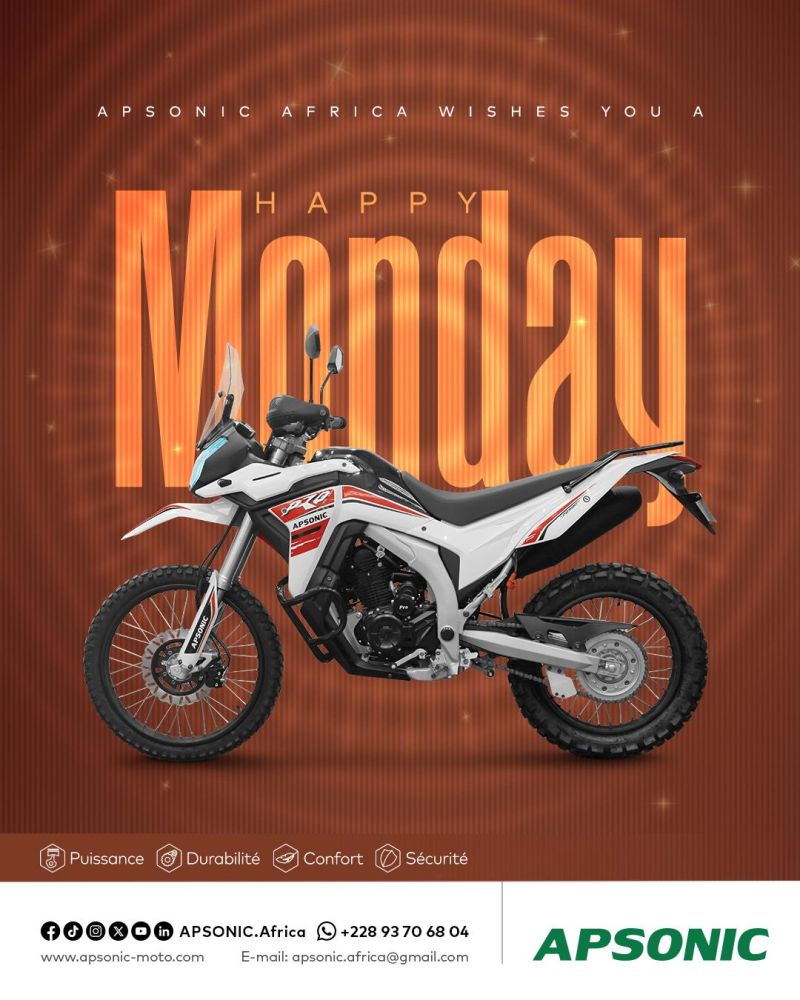
It is followed by Apsonic, an African brand assembled using Chinese components, highlighting the growing relevance of regional players in African mobility markets.
Lifan ranks third, while Chinese manufacturers collectively account for 38.2% of total market sales, making China the most influential source of supply in the country.
Outlook
Burkina Faso remains a small but strategically attractive motorcycle market. Low vehicle ownership rates, rapid urbanization, and the critical role of two-wheelers in daily transportation provide a strong foundation for future growth.
However, market expansion will continue to depend on improvements in infrastructure, access to financing, and broader economic development. Manufacturers able to offer durable, low-cost models with reliable service networks are likely to be the primary beneficiaries of future demand growth.