

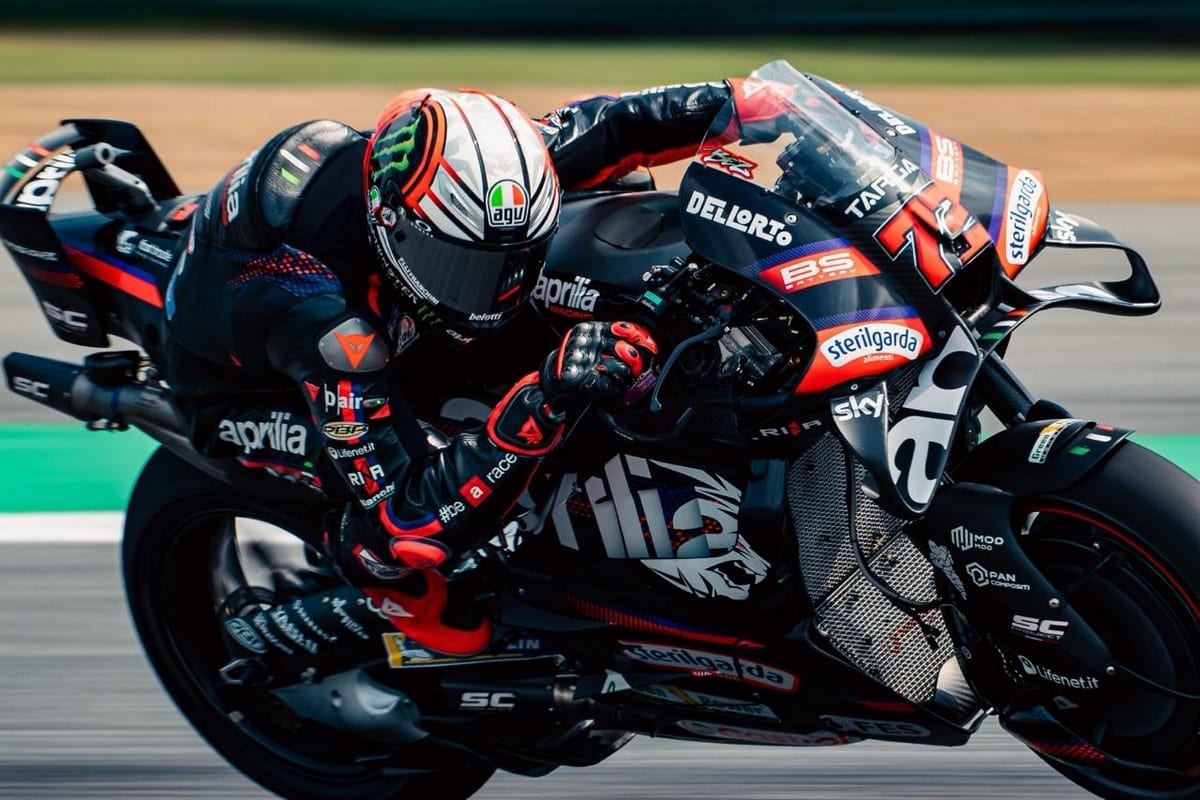
Motorsports attract hundreds of millions of global viewers annually, reflecting a massive interest in high-speed competition and technical mastery. You might find that following a race on screen leaves you wondering why a driver moved a certain way or how a team decided on a specific pit strategy. Racing books will help you here and fill the gaps with basic knowledge, real races, driver decisions, engineering, team dynamics, and more.
The books usually cover motorcycle data, Formula 1 history, endurance racing, driver psychology, and technical race strategy. We reviewed editorial lists and publisher catalogs to find the most relevant titles. We also checked nonfiction summaries and key ideas through the online libraries to ensure the concepts remain practical for a busy schedule. This research helps when looking for inspirational books for men and women, as racing often overlaps with themes of mindset, discipline, and intense competition!
1. ‘How to Build a Car’ by Adrian Newey: See Race Design Decisions
Adrian Newey is one of the most successful F1 designers in the sport’s history. His memoir provides a look into how a car moves from a drawing board to a world championship trophy. You can use this book to understand the engineering behind performance. It solves the common problem of not knowing how specific design choices lead to faster lap times. The text includes:
- Design sketches and development cycles that explain how airflow management affects vehicle speed.
- The concept of aerodynamics in racing: showing how thin margins in wing design change the behavior of the car on track.
If you do not have time to read full books that require significant time blocks that you might not have during a busy race weekend, you can use all-around knowledge apps to learn about mechanics, racing, speed, and more. For example, Nibble helps users bridge the gap by providing short lessons on complex topics.
This learning app offers 20+ topics and focuses on microlearning, which is a method of breaking information into small units to improve how well you remember it. You can also read nonfiction or summaries of popular sports books to broaden your knowledge of the topic. This approach ensures you keep learning about the sport even when your schedule is tight!
2. ‘The Mechanic’ by Marc Priestley: Understand Pit Lane Work
Marc Priestley worked in the McLaren F1 pit crew for nearly a decade. His account shifts the focus from the driver to the crew members who execute the race plan. You can see how team communication and pit stop timing function under extreme pressure. This book also explains the work that happens in the garage, which fans rarely see during a standard broadcast. The core concept here is:
- Pit-stop efficiency, as in modern racing, is measured in milliseconds, which affects the final race outcome.
- How a team coordinates dozens of people to perform a task in under three seconds.
- A realistic view of race-day execution and the physical demands placed on the mechanics.
3. ‘Rush to Glory’ by Tom Rubython: Track Ferrari History
Ferrari is the oldest and most successful team in Formula 1 history. This book tracks the legacy of the Italian team through different driver eras and championship battles. You can use it to understand how a team’s legacy impacts its current performance patterns. It solves the problem of fragmented historical records by consolidating the Scuderia’s major events into a single narrative.
The book covers internal conflicts and the high-pressure environment of the Ferrari factory. It explains why the team remains a central pillar of the sport despite technological and regulatory changes. Following these historical patterns helps you see how long-term consistency is built in a volatile industry.
4. ‘Total Competition’ by Ross Brawn: Learn Race Strategy Systems
Ross Brawn led multiple championship teams and is widely regarded as a master strategist. This book explains race strategy as a system involving tire choice, pit timing, and fuel management. You can use these insights to understand why teams make specific decisions during a live race. Strategy is often hard to observe from the outside, but Brawn explains the planning that happens before the lights go out.
The book focuses on decision timing and team structure. It shows that winning a race is often a result of better data analysis and preparation. You will learn how a technical director manages different departments to ensure the car is in the right place at the right time.
5. ‘MotoGP Technology’ by Neil Spalding: Understand Modern Motorcycle Engineering
Neil Spalding is one of the most respected technical analysts in MotoGP, known for translating complex race engineering into clear insights. This book shifts the focus away from riders and toward the machines, explaining how modern bikes achieve extreme performance through precision engineering. You can see:
- How electronics, aerodynamics, and data analysis influence every moment on track.
- How it highlights the invisible systems that determine race outcomes — details that are rarely explained during live broadcasts.

The core concept here is also focused on:
- Advanced electronics systems control traction and power delivery in real time.
- Aerodynamics directly impact stability, cornering speed, and acceleration.
- Telemetry data guides team decisions, from bike setup to race strategy.
6. ‘The Art of Racing in the Rain’ by Garth Stein: See Racing Through Story
While many racing books are technical, this story looks at the emotional side of the sport. It uses the parallel of racing on a wet track to explain focus under pressure. It is widely read because it captures a racer’s internal state.
The narrative explains that a driver must look where they want the car to go, not at the obstacles they want to avoid. This concept of attention control is a real technique used by professional racers to stay calm during a crisis. It provides a human perspective on the mechanical world of motorsport.
7. ‘Life to the Limit’ by Jenson Button: See Driver Career Choices
Jenson Button won the 2009 Formula 1 championship after a career of significant ups and downs. His book explains the career trajectory of a professional driver. It is about how team changes and performance analysis dictate a driver’s success.
While reading it, you can find how a racer moves through different levels of the sport to reach the top. The copy focuses on the decisions made outside the car, such as choosing which team to join.
Button provides an honest look at how performance across different teams can vary based on the environment. It is a practical guide to the professional life of a modern athlete in a high-stakes environment.
Read This Racing Books List and Learn More About Speed and Competition
These racing books show the sport through different lenses, such as engineering and driver thinking. Each title focuses on a single part of the racing system, allowing you to build a complete picture of how the industry works. You can pick a book based on your specific interest in car design, history, or the mental state of the driver.
Comparing the perspectives can also help you notice details during a live race that most viewers miss. You will start seeing the car as a set of design decisions and the pit stop as a coordinated team effort. You can also use short summaries to review the key ideas faster if you have limited time. Just test one book from this list to see how it fits your current reading schedule and interest level!