

Chinese Motorcycles Market started the year in a low tone. In the first quarter 2026, registrations dropped 9.3% to 2.65 million units. Nearly all manufacturers are experiencing declining domestic volumes, while exports remain the primary growth engine.
Motorcycles Industry Trend and Perspectives
Rising per capita income in China has structurally reshaped the two-wheeler market. As consumers upgrade to cars and major cities increasingly restrict motorcycle usage in urban centers, total domestic demand for traditional two-wheelers is in decline.
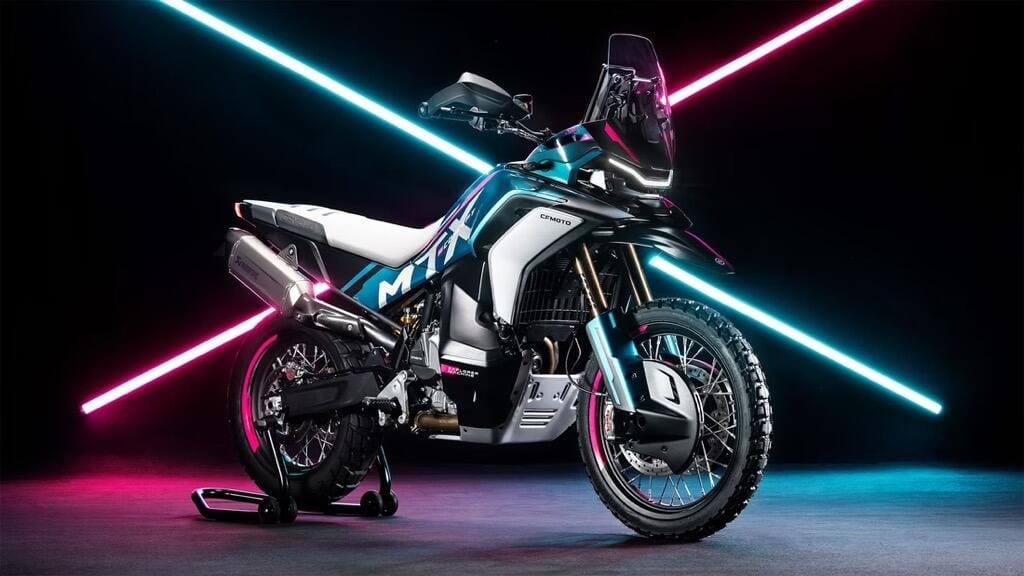
At the same time, a new middle-class consumer base is redefining the role of motorcycles—from essential mobility to leisure and lifestyle products. As a result, while the overall market is shrinking in volume terms, the premium segment (above 250cc) is expanding rapidly, supported by both imports and the rise of competitive domestic brands such as Voge, CFMOTO, Kove, Benelli, and QJ Motor.
China remains by far the largest electric two-wheeler market globally, accounting for nearly 80% of global EV volumes. However, the market is now entering a new phase, shifting toward higher-spec, higher-performance models, enabled by next-generation battery technologies.
Despite growing value, total registrations have declined by near 1 million units between 2019 and 2025, reflecting structural changes in mobility patterns.
The slowdown has intensified in 2026. In the first quarter, registrations dropped 9.3% to 2.65 million units, marking a negative start to the year. Nearly all manufacturers are experiencing declining domestic volumes, while exports remain the primary growth engine.
Even the electric segment showed weakness, declining 5.5%, partly impacted by unexpected price increases in March.
From a competitive standpoint, Yadea continues to consolidate its leadership, strengthening its position as the largest manufacturer in the Chinese market, ahead of Zongshen, Honda, Niu, and Haojue.