

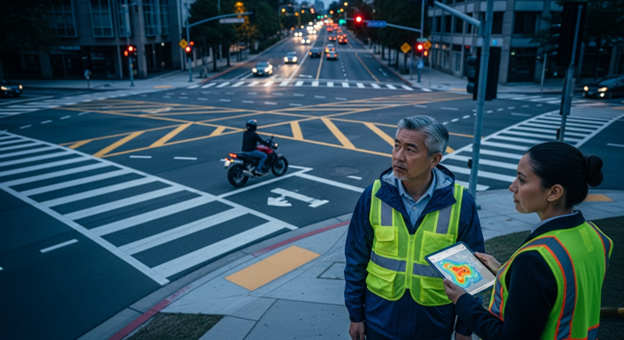
The latest data paints a brutal picture for motorcyclists on American roads. Even though overall U.S. motor vehicle deaths dropped 12% in 2025, riders remain one of the most vulnerable groups on the road. Per vehicle mile traveled, motorcyclists are nearly 24 times more likely to die in a crash than passenger car occupants.
That’s not a statistical quirk. It’s a full-blown national safety crisis that deserves serious, detailed analysis.
What the 2026 Fatality Data Actually Shows
You can’t fix a problem you don’t understand. So let’s start with the numbers. Statistics from national, state, and global sources tell a story that goes well beyond anecdote, revealing clear and troubling patterns in who’s dying, where, and how.
The National and Global Picture
Rising motorcycle fatalities aren’t just an American concern. In some regions, motorcycle crashes have become a leading cause of road deaths, accounting for 40% of fatalities in early 2026. Australia recorded its deadliest January for motorcyclists since at least 1989. In Ghana, a surge in motorcycle-related incidents is deepening a national road crisis.
The takeaway? This isn’t isolated. It’s global. And the U.S. sits right in the middle of it.
Hotspot States
Certain states have become epicenters for motorcycle deaths. Florida consistently leads the nation, with 668 fatalities in 2022 and 621 in 2023. Colorado saw a 60% spike in rider fatalities in 2024, with those deaths making up 24% of all traffic fatalities statewide. Oregon’s traffic fatalities have climbed 88% over the past decade.
And then there’s Wyoming. Data there shows the nation’s largest crash gap between motorcycles and pedestrians at 1,302%, underscoring just how exposed riders are in that state.
Urban Intersections vs. Rural Roads
Where you ride matters enormously. In 2023, 65% of motorcyclist deaths happened in urban environments. Within those areas, intersections are the number one danger zone, with over a third of all motorcycle deaths occurring there.
Left-turn collisions are especially deadly. In Florida, they account for 36% of all fatal motorcycle accidents. These crashes typically involve turning conflicts, speed misjudgments, and simple visibility failures.
What’s Driving the Increase?
So the data is clear. But why is it getting worse? The answer isn’t one single cause. It’s a collision of behavioral, legislative, and demographic factors that, taken together, have made roads increasingly hostile for riders.
Distraction and Rider Invisibility
Distracted driving remains one of the biggest threats to motorcyclists. Due to their smaller profile, bikes are easy to miss when a driver is texting, adjusting a GPS, or scrolling through a playlist. The result is the all-too-common “looked-but-didn’t-see” crash. Sound familiar?
Campaigns like “Look Twice, Save a Life” try to address this, but the problem isn’t going away. Impaired driving compounds the risk. In Florida, 24% of motorcycle deaths in 2023 involved someone with a BAC at or above the legal limit.
The Helmet Law Question
Helmet use is one of the single biggest factors in whether a crash is survivable. In states without universal helmet laws, like Colorado and Oklahoma, crash-related injuries are demonstrably worse. Florida’s data makes the point clearly: in 2023, 38% of motorcycle fatalities involved unhelmeted riders.
Here’s how helmeted and unhelmeted outcomes compare:
| Outcome Metric | Helmeted Rider | Unhelmeted Rider |
| Fatality risk reduction | 42% lower chance of death | Baseline risk |
| Brain injury risk reduction | 69% lower chance of brain injury | Baseline risk |
| Common injuries | Fractures, road rash, non-head internal injuries | TBI, spinal cord injury, severe facial trauma |
| Average medical costs | Significantly lower; less severe head trauma | Substantially higher; often requires long-term care |
More Riders, More Risk
The number of motorcycles on U.S. roads keeps growing, partly because of population shifts and economic factors pushing more people toward two wheels as primary transportation. That brings a wave of new, less-experienced riders into complex traffic environments they may not be ready for.
Rider behavior is a huge piece of the puzzle, too. Colorado data shows that 84% of fatal motorcycle crashes were caused by the rider. Speeding and reckless riding are the top contributors. In New South Wales, Australia, speeding remains the top killer of riders, and the pattern holds across many parts of the U.S. as well.
What Can Actually Be Done
Identifying problems is only half the equation. Safety experts, transportation officials, and legal professionals are all pushing strategies to reverse this trend. The approaches fall into a few key categories.
Engineering, Enforcement, and Education
Safety professionals consistently push for a multi-pronged strategy built around the “Three E’s.” Here’s what that looks like in practice:
- Engineering: Redesign high-risk intersections, add road dividers, and create dedicated service roads to reduce turning conflicts and improve visibility for everyone.
- Enforcement: Apply traffic laws more consistently. Use tools like automated speed cameras and increase penalties for distracted and impaired driving.
- Education: Ramp up awareness campaigns for both drivers and riders. That means “Share the Road” driver training and advanced rider courses focused on defensive maneuvering skills.
Technology and Rider Preparation
Modern motorcycles increasingly come equipped with anti-lock braking systems (ABS) and traction control, which can reduce crash severity. But technology isn’t a substitute for good habits.
Safety officials stress that rider preparation is just as important. That includes wearing high-visibility gear, performing routine maintenance, and always running headlights to stay visible. Simple steps, but they save lives.
Legal Support for Victims
When a crash does happen, the aftermath can overwhelm families. Insurance claims, liability disputes, and medical debt pile up fast. For families dealing with a Florida motorcycle accident fatality, getting experienced legal support early can make the difference between financial ruin and a path toward recovery. Skilled attorneys help investigate the crash, establish fault, and fight for compensation covering medical costs, lost income, and other damages.
Shared Responsibility Is the Only Path Forward
No single group can fix this. The data spells out the risks and contributing factors, from dangerous intersections to distracted drivers to inadequate training. What’s needed now is collective action.
That means drivers staying vigilant and sharing the road. It means riders investing in safety gear and advanced training. And it means transportation leaders building safer infrastructure and backing stronger policies. Only that kind of shared commitment will make a real dent in these numbers.