

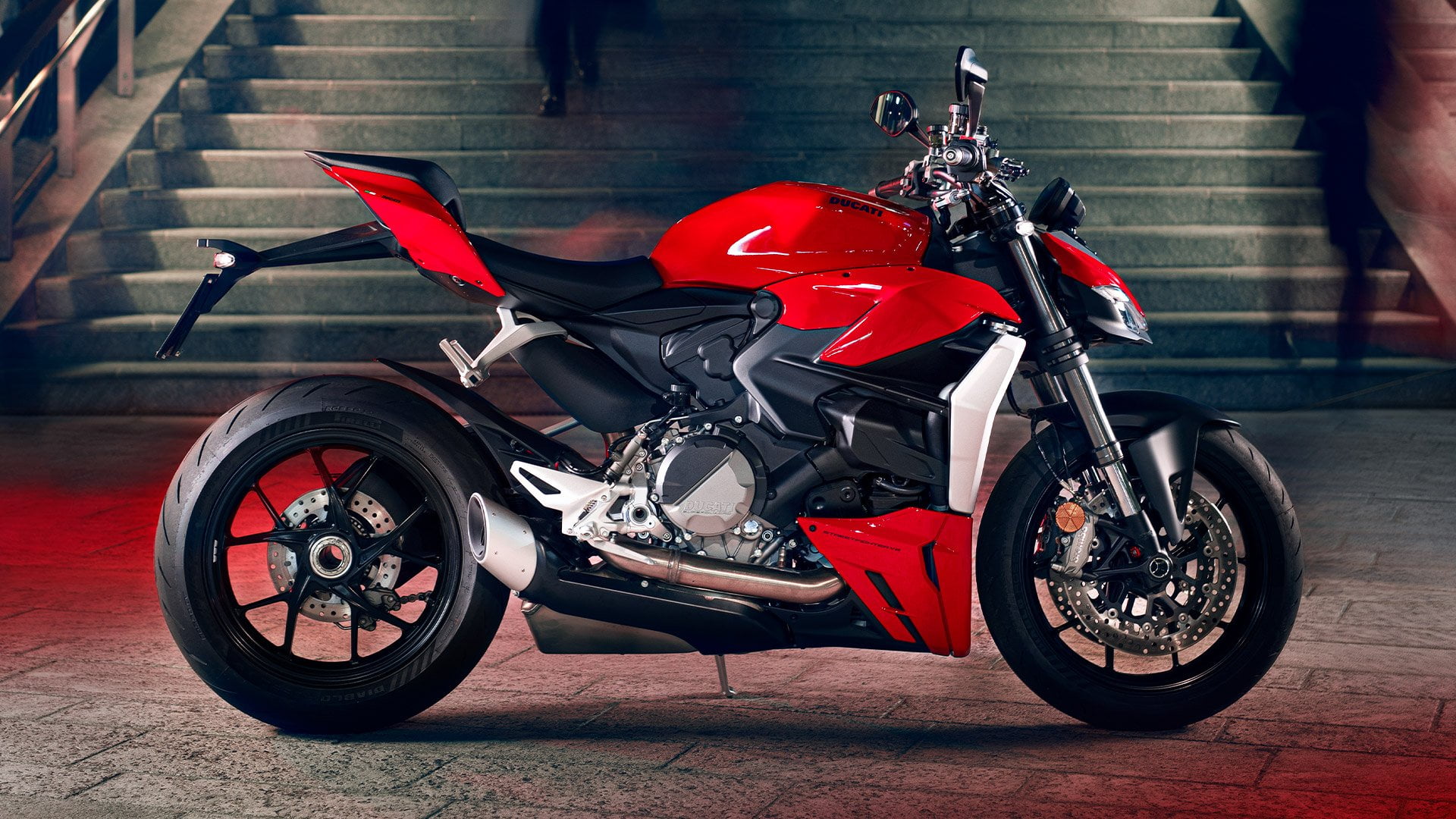
Ducati Premium Strategy Under Pressure? In 2025, registrations fell to 49,380 units (-7.0%), slipping below the 50,000 threshold. While Ducati does not explicitly pursue volume maximization, the contraction raises questions about the elasticity limits of its premium pricing strategy.
McD tracks new vehicles registrations across the World (97+countries), reporting data on calendar year. When you wish to compare data reported by us to those declared by the manufacturers, consider they usually report their “sales” (vehicles invoiced), which are usually different from “registrations”, accordingly with their fiscal year split.
Ducati: Premium Strategy Under Pressure?
Under Volkswagen Group ownership, Ducati has significantly strengthened its brand equity over the past decade, positioning itself as arguably the most profitable and brand-driven motorcycle manufacturer in the world. Some describe Ducati as the “Ferrari on two wheels”—with the notable distinction that Ducati is currently delivering both sporting and financial results, while Ferrari’s competitive dominance has faded.
Ducati has deliberately prioritized margin over volume. By increasing average selling prices and focusing on high-end positioning, the company has achieved record revenues and profitability. However, this strategy comes with trade-offs that are increasingly visible in the global registration data.
After reaching an all-time sales peak in 2022—close to 60,000 registered units (with deliveries slightly above that figure)—global volumes have declined for three consecutive years. In 2025, registrations fell to 49,380 units (-7.0%), slipping below the 50,000 threshold. While Ducati does not explicitly pursue volume maximization, the contraction raises questions about the elasticity limits of its premium pricing strategy.
Europe, accounting for 58% of total sales, declined sharply (-9.8%) in 2025, representing the core of the volume erosion. The downturn is concentrated in key model families:
-
Monster, historically a pillar of the brand, is in transition ahead of a fully renewed 2026 model launch.
-
Scrambler, once a growth engine, is struggling against increasingly competitive and often lower-priced rivals.
-
DesertX / X-Desert family, one of the newest additions to the range, appears to be underperforming expectations based on current registration trends.
Ducati’s premium positioning remains intact, but the combination of rising prices, intensifying competition, and declining volumes suggests the company may be approaching a strategic inflection point. The key question for 2026 is whether new product launches will reignite demand—or whether the brand’s margin-first strategy has reached its natural ceiling in a more price-sensitive global environment.