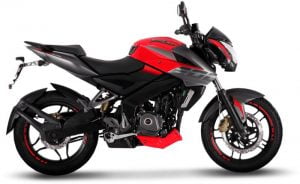

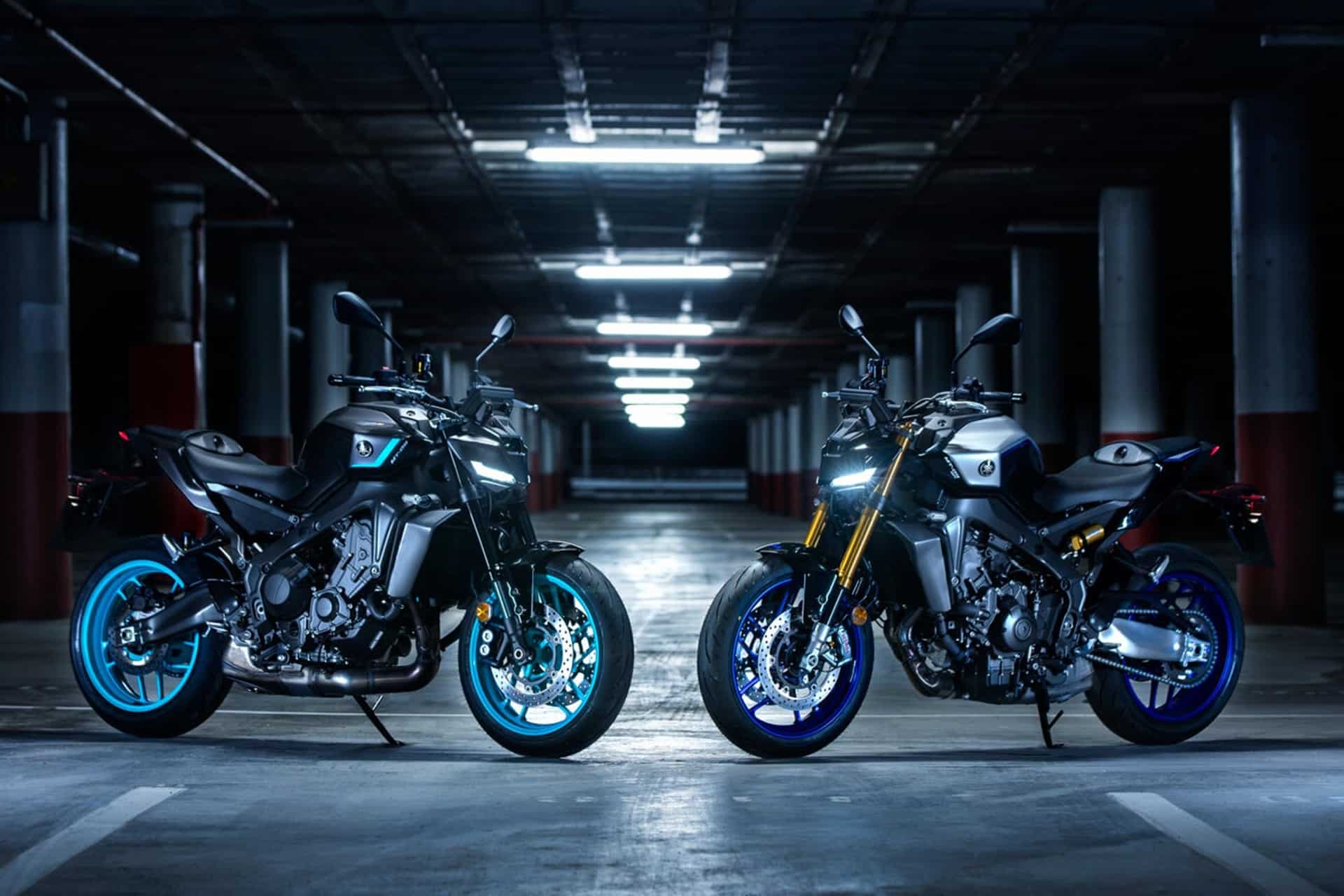
Bangladeshi’s motorcycle market rebounded +19.6% to 476,000 units in 2025 after two years of decline driven by currency depreciation, inflation, and political unrest. Suzuki (+20.4%) retained leadership ahead of Yamaha and Indian OEMs.
Macroeconomic Outlook
Bangladesh has entered a period of political and economic transition following the fall of Sheikh Hasina’s regime, reflecting broader turbulence seen in South Asia in recent years. The country now faces slowing GDP growth, currency depreciation, and financial sector fragility, while an interim government seeks to restore political stability and investor confidence.
GDP growth, which consistently ranged between 6% and 8% from the post-global financial crisis period until the pandemic, is now forecast to fall below 6% in both 2025 and 2026. The Bangladeshi taka has depreciated sharply against the U.S. dollar, increasing import costs and fueling inflation. At the same time, debt obligations linked to large-scale infrastructure projects are putting additional pressure on public finances, while parts of the banking sector remain vulnerable.
Despite these challenges, Bangladesh retains strong structural fundamentals: a population of 167 million, significant remittance inflows, and a long-term growth trajectory that positions it among Asia’s key emerging economies.
Motorcycle Industry: Trends and Perspectives
The motorcycle industry has been one of the most important drivers of Bangladesh’s mobility and industrial development over the past decade. The two-wheeler market is more than 20 times larger than the four-wheeler segment, representing the only affordable private mobility solution for the vast majority of the population, given the country’s still low per-capita income.
Annual sales surpassed 500,000 units in 2021 and 2022, before declining due to sharp vehicle price increases driven by currency depreciation and double-digit inflation. In 2024, political unrest and social protests further weakened demand, pushing the market down by over 18% to below 400,000 units.
In 2025, however, the market rebounded strongly to 476,000 units (+19.6%), recovering lost ground and regaining the country’s 17th position in the global two-wheeler ranking.
Notably, Bangladesh is one of the few markets globally where Suzuki holds leadership, confirming its top position with sales up 20.4%. It is followed by Yamaha (+13.2%), Bajaj Auto (+0.4%), Hero (+41.8%), and Honda (+19.7%), reflecting intense competition among Japanese and Indian manufacturers.
Market Heritage and Structural Outlook
Motorcycles remain the backbone of individual mobility in Bangladesh and have significant growth potential in the medium term, particularly as per-capita income continues to rise.
Although per-capita income remains among the lowest globally (around US$1,829 in 2019, though higher today), it has doubled in recent years and is expected to continue expanding. This economic transformation has structurally boosted demand for affordable mobility solutions.
Government policy has played a critical role in shaping the industry. Initially, authorities focused on import substitution, imposing high tariffs to encourage local production. More recently, policy has gradually shifted toward a more open framework, with reduced duties on imported parts (from 25% to 20%) and selected models.
In a landmark decision at the end of 2021, Bangladesh increased the engine displacement limit for road motorcycles from 250cc to 500cc, opening the market to premium and mid-range segments. This regulatory shift attracted new entrants, including Royal Enfield, which partnered with IFAD Motors Ltd. for imports and potential local assembly.
Manufacturing Landscape
Bangladesh has developed a strong local manufacturing base. Bajaj Auto began local production in 2015, followed by TVS, Hero, Suzuki, Yamaha, and later Honda, which inaugurated its plant in 2018 with a capacity of 200,000 units annually.
Today, over 80% of motorcycles sold in Bangladesh are locally assembled or manufactured, reflecting the success of the localization strategy.
Import duties remain high at 45%, keeping motorcycle prices roughly 2.5 times higher than in India. However, manufacturers can negotiate partial duty reductions if they localize at least 20% of production, incentivizing domestic value creation.
Overall Assessment
Bangladesh’s motorcycle market remains structurally strong despite political instability, currency pressure, and short-term economic slowdown. The 2025 rebound confirms resilient underlying demand. However, sustained growth will depend on macroeconomic stabilization, banking sector reform, and continued regulatory clarity.
The combination of a large young population, rising incomes, and a well-established local manufacturing ecosystem positions Bangladesh as one of South Asia’s most strategically important two-wheeler markets for the next decade.