

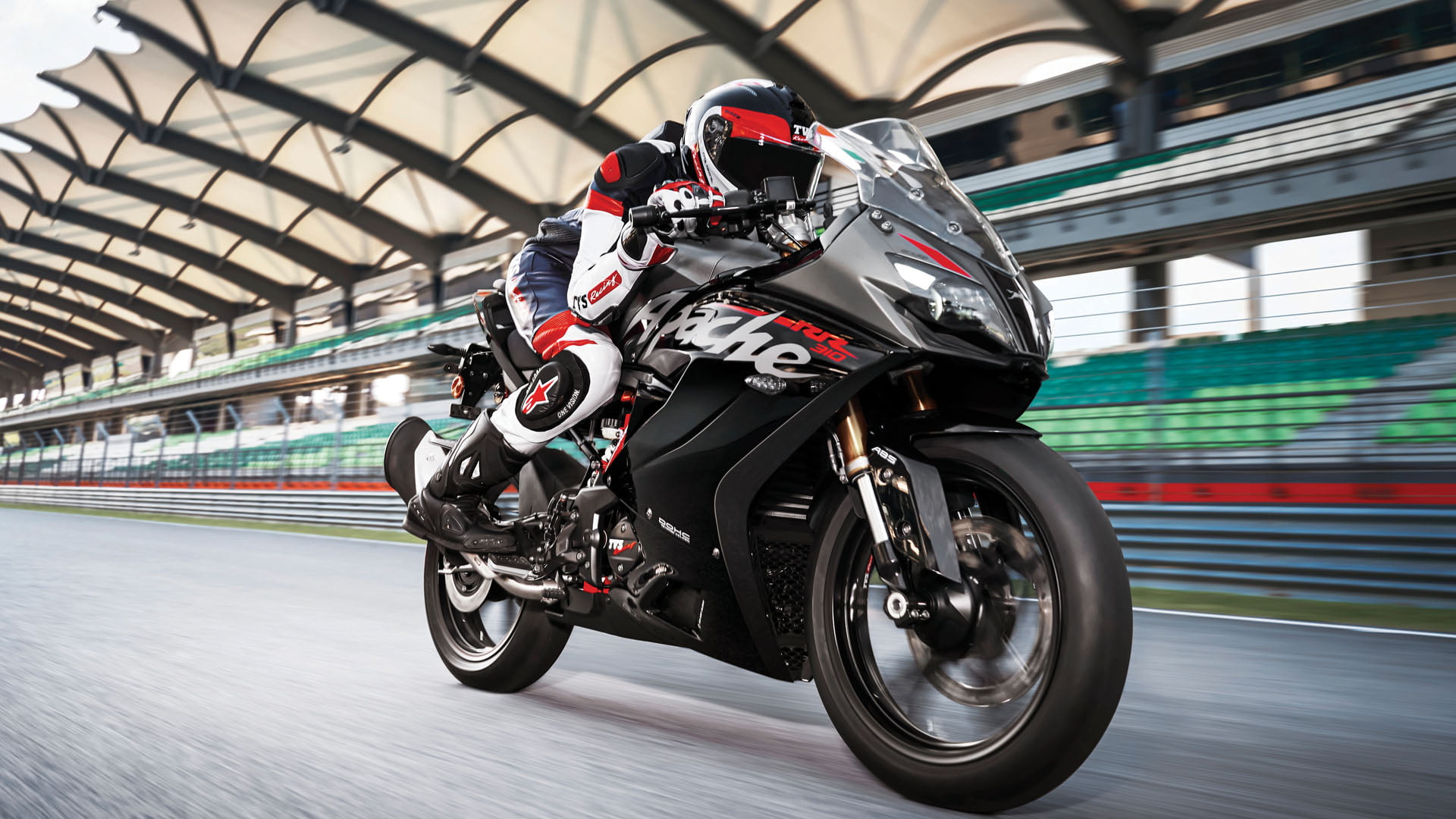
Sri Lanka Motorcycles Market is reborn. In 2025, Indian manufacturers returned at scale, and total sales surged to 238,528 units, marking an extraordinary +442% increase year on year—a recovery driven primarily by pent-up demand.
Macroeconomic Outlook
According to the World Bank, Sri Lanka’s economy is projected to grow 4.6% in 2025. The expected moderation reflects persistent structural weaknesses in factor and product markets, lingering effects of the recent economic crisis, and softer external demand amid global uncertainty.
The World Bank’s Global Economic Prospects report highlights that inefficiencies within domestic markets continue to constrain productivity and limit the pace of recovery. Although the global economy has proven more resilient than previously anticipated—despite trade tensions and policy uncertainty—Sri Lanka’s growth outlook remains sensitive to structural reform progress and external conditions.
Globally, growth is projected to ease to 2.6% in 2026 before rising slightly to 2.7% in 2027, supported largely by stronger-than-expected performance in the United States. However, Sri Lanka’s recovery remains more fragile and reform-dependent than that of larger economies.
Motorcycle Market Trend
In an unprecedented move, the Sri Lankan government imposed a comprehensive vehicle import ban in 2021, triggering a collapse in the two-wheeler market—the country’s most important individual mobility sector. By 2023, annual sales had fallen to fewer than 10,000 units, a dramatic contraction for a market that had reached nearly 500,000 units in 2015.
The import ban was lifted in late 2024, triggering a rapid market rebound. TVS Motor was among the first manufacturers to re-enter, quickly capturing over 40% market share in the reopening phase.
In 2025, Indian manufacturers returned at scale, and total sales surged to 238,528 units, marking an extraordinary +442% increase year on year—a recovery driven primarily by pent-up demand and fleet renewal needs.
Electric scooters accounted for approximately 11% of total sales, with Yadea emerging as the segment leader, holding more than one-third of the EV market.
Market Heritage
“The first motorcycle arrived in the island on January 20, 1903. Mr. C. Hahn of Messrs Bohirnger & Co. was the first person to introduce the motor cycle to Ceylon. These early motorcycles were belt-driven from the engine to the rear wheel and had only one speed and pedals were used to start it. The first motorcycle ride to Kandy and back was undertaken by Mr. Fred Nell, the founder of Colonial Motors on a ‘Noble’ machine. His trip from Colombo to Kandy and back in one day was a great achievement”.
English manufactured motorcycles were very popular and were imported by Sri Lanka users in the 1960’s too. English makes namely Norton, BSA, Royal Enfield and Triumph motorcycles were very popular here till the 1960’s. These English motorcycles had gear shifting lever located in the right side of the engine. They had choke and half compression facility for easy kick-start. Some models had gear levers that were operated by hand.
Later Japanese made Honda motorcycles were introduced in Sri Lanka by 1970’s. At first the small Honda motorcycles with less sound and gear changing levers on the left side didn’t attract much attention against the British models. Later when the Government allowed importing of used motorcycles from Japan, the Honda’s 90cc motorcycles (Super Cub and Postman Bikes) became a hit in Sri Lanka. People were looking for less priced motorbikes from Japan with different engine capacities. After this, Yamaha, Kawasaki, Suzuki and other companies started to open their marketing expansion here in Sri Lanka.