

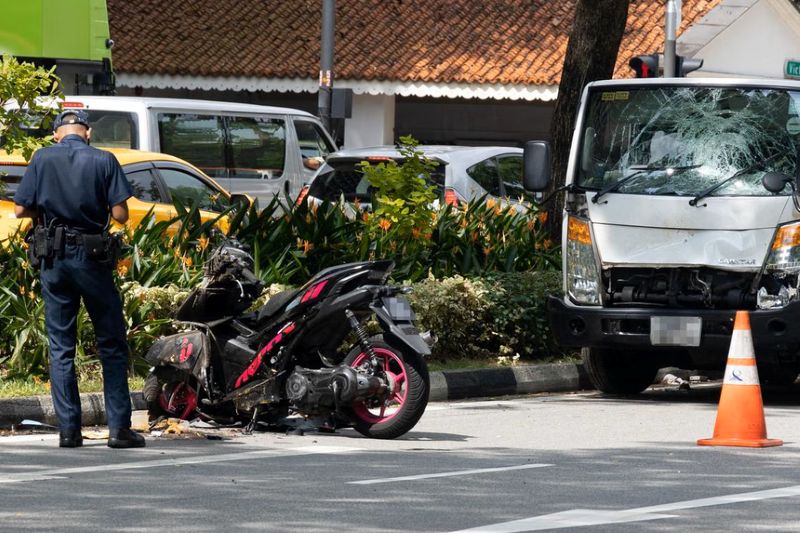
According to the National Highway Traffic Safety Administration (NHTSA), motorcycle users represented 15% of all traffic fatalities in 2022. Motorcyclists, or “riders,” hadn’t died in crashes at such a high number (i.e., 6,218 fatalities) in nearly 50 years. Most of these deaths could have been prevented via various preventative measures. Read on to learn more about deadly motorcycle accidents and how to prevent them…
Some Startling Statistics
The National Safety Council (NSC) reviewed NHTSA data across several years and made interesting discoveries. In 2021, for example, 72% of motorcycle fatalities didn’t involve impairment from alcohol. Half occurred during the day, 66% on urban roads, and 94% in good weather. Two vehicles were involved in 55% of the cases. Riders didn’t wear helmets in 60% of the accidents.
As noted by the NHTSA based on 2022 data, motorcyclists are four times more likely to suffer one or more injuries after a crash merely because they don’t have the same protection as occupants of passenger-style vehicles. Worse, they’re 22 times more likely to suffer a fatal outcome.
Common Causes of Accidents
The statistics revealed that merely using a motorcycle increases the risk of death because of a lack of external protection. Additionally, fatal accidents occur for a wide range of reasons.
The most common causes of accidents are typically dangerous road conditions, distracted or impaired highway, street and other road users, lack of appropriate protective gear, and anyone on the road performing risky behaviors.
Many riders and drivers don’t check for blind spots or pass another vehicle properly. Some fail to yield the right of way. These actions can lead to dangerous left-turn accidents, one type of accident that can cause severe or even deadly injuries. A lack of good judgment by anyone on a road and difficulties with balance or coordination by riders also often come into play.
Prevention by Riders, Drivers and Others
Riders, drivers, bicyclists, pedestrians and others must all work together to help protect motorcyclists from fatal crashes. They must follow the rules of the road and never allow themselves to become distracted by portable electronics or other people or impaired by alcohol or drugs. Additionally, since motorcyclists move at fast speeds, they should use caution and check in all directions when approaching intersections and traveling at night. When crashes involve negligence or unsafe driving, victims often turn to a personal injury lawyer for guidance on liability and compensation.
Motorcyclists specifically must perform the same tasks as other vehicle users before they ride, such as performing maintenance on their bikes and preparing themselves appropriately. Drivers of passenger vehicles don’t need to worry about a lack of barriers around their bodies. Riders must consider this when preparing for a ride.
They should always wear durable clothing that covers their entire body, such as heavy denim or leather, footwear with excellent tread that covers and protects their ankles, sunglasses or goggles to protect their eyes, and a helmet approved by a related government agency like the Department of Transportation. To help other people on the road see them, they should make certain to either wear reflective clothing or install reflectors on their motorcycle. They need to use their headlights both during the day and at night.
Motorcycle users should practice riding in different road conditions and with different types and weights of cargo. If carrying cargo, they need to secure it properly to their bike. Extra weight can throw off their balance, and falling items can cause a deadly distraction.
When carrying a passenger, they need to instruct the person to sit forward, move their legs away from the muffler, stay still, and keep their feet on the rests throughout the ride and during stops. If they know of an area of road construction beforehand, they should find an alternate route. Lastly, during a ride, they must do more than simply follow road rules. They need to use a defensive strategy and more caution than others.